
Fig, Gorgonzola and Honey Tartines - Recipe
- Details
- Category: Food & Drink
- Created on Monday, 30 March 2015 08:29
- Written by Northern Living
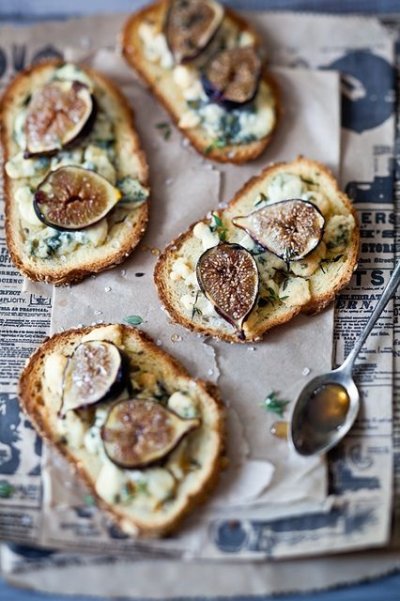 Fig, Gorgonzola and Honey Tartines - Recipe:-
Makes 8 tartines.
Ingredients:-
8 slices of bread – (Try something a bit special not plain sliced white bread)
1/2 cup (4 oz) crumbled Gorgonzola
8 figs, halved
1 teaspoon fresh chopped thyme
2 1/2 tablespoons honey
salt and pepper to taste
Directions:-
(1)Turn the oven on at 220C
(2) Line an oven tray with parchment. Place the slices of bread on the tray. Top each slice with about a tablespoon of Gorgonzola. Top with two fig halves. Sprinkle a little thyme. Repeat for the remaining tartines. Salt and pepper to taste.
(3) Bake until the cheese starts to melt. Remove from the oven and drizzle each tartine with about a teaspoon of honey.
(4) Serve at room temperature.


The Brewers Arms Snaith, East Yorkshire
- Details
- Category: Food & Drink
- Created on Friday, 27 March 2015 09:07
- Written by Northern Living
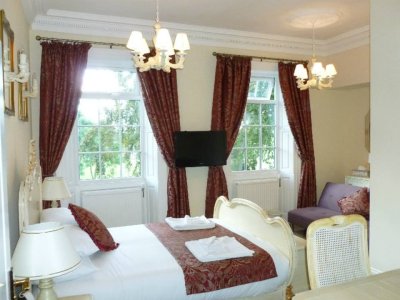 Located in the heart of Snaith, East Yorkshire The Brewers Arms Hotel has easy access from local towns and cities and is located close to access to the motorway network. In addition to everything you might expect from a village pub they have several high quality suites and rooms and provide bed and breakfast for visitors wishing to stay. Their function room is idea for all occasions including:- Weddings, Christenings, Charity Events, Birthdays, Reunions, Funerals and Business Meetings. They specilise as a wedding venue.
They have three wedding packages available to suit wedding parties on various budgets. Call Chris or Chrissie on 01405 862404 for details. They also have six large luxury en-suite recently refurbished bedrooms available for those guests who wish to stay.
Their extensive menu is all home made by their chef and full menus are available on their website. There are also daily specials available and unique menus can be arranged for parties using their function room. The function room is available for hire for all types of occasions. They work closely with each party ensuring that you have a unique and individual event and that all your needs are catered for within your budget.
10 Pontefract Road, Snaith Nr, Goole, East Yorkshire. DN14 9JS
Phone - 01405 862404
Fax - 01405 862397
http://www.thebrewersarms.co.uk
Hogget Caroline - Recipe - A rich hearty Lamb Henry recipe with a real difference...
- Details
- Category: Food & Drink
- Created on Wednesday, 25 February 2015 15:19
- Written by Northern Living
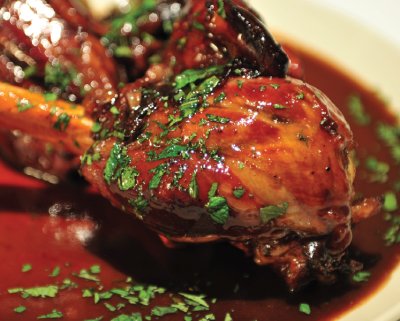 Hogget Caroline -Recipe – A rich hearty Lamb Henry recipe with a real difference...
Yes, you might at this moment be thinking “But where on earth would I get Hogget?” No problem, you can order it on-line from Eskrick Park Estates at very reasonable prices. Details here - http://www.escrick.com/outdoor-and-conservation/hebridean-lamb
"The meat from Hebridean sheep is unique. It has a rich, dark colour, succulent tender texture, and a gamey, utterly delicious flavour. Tasted against locally produced butcher's lamb and some very good Welsh lamb, there was no contest: the Hebridean won hands down. It was tender with a really good bite, and rich but didn't leave that greasy, fatty taste in the mouth. And it was so full of flavour that some of the young tasters couldn't believe it really was lamb.”
Serves 4
Ingredients:
4 500g shoulder joints of hogget on the bone
1 clove of garlic
1 diced small diced onion
1 diced carrot
½ diced swede
¼ tablespoon balsamic vinegar
1 tablespoon dried or fresh mint
2 tablespoons of redcurrant jelly
½ pint red wine
black pepper
salt
Method
1. Mix ingredients together in a bag or tub, refrigerate for 24 hours. The longer the better, within reason.
2. Place the hogget and marinade in oven dish, it needs to be a fairly tight fit.
3. Cover with a lid or tightly fitting tin foil.
4. Cook in oven at 130°C (250F or Gas Mark ½) for around 6-8 hours
or until the meat falls off the bone.
5. When cooked remove from roasting dish and keep warm.
6. Strain the stock and reduce by half, add more jelly and mint if required to taste.
7. Pour the reduced sauce over just before serving.
Mango and lime yogurt cake
- Details
- Category: Food & Drink
- Created on Monday, 23 February 2015 08:06
- Written by Northern Living
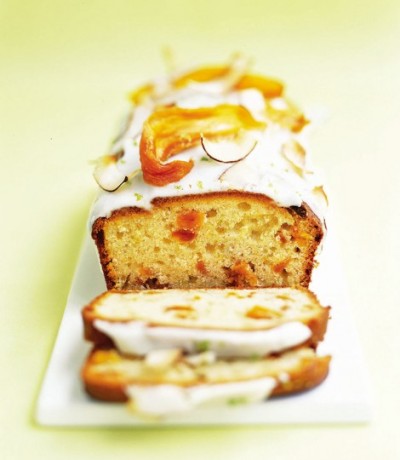 There are some combinations of ingredients that just seem made for each other. Dried mango and lime might not seem to be a marriage made in heave initially but trust us, this is an outstanding cake recipe. You'll not be disappointed.
Ingredients:-
125ml sunflower oil, plus extra for greasing
125g ready-to-eat dried mango slices
Zest and juice of 1 lime
125g natural yogurt
175g caster sugar
2 medium eggs, beaten
175g plain flour, sifted
11/2 tsp baking powder
100g icing sugar
25g coconut flakes (or desiccated coconut), toasted
Method:-
1. Preheat the oven to 180°C/fan160°C/ gas 4. Grease and line a 900g loaf tin. Snip most of the mango into pieces, reserving a few slices.
2. Put half the lime zest, yogurt, sugar, oil, eggs, flour, baking powder and chopped mango into a large bowl. Beat with a wooden spoon until just smooth. Pour into the tin and bake for 50 minutes, or until a skewer inserted into the centre comes out clean. Turn out to cool on a rack.
3. Mix just enough of the lime juice with the icing sugar to give a thick, slightly runny icing. Pour over the cake, then top with the coconut, remaining lime zest and mango.
A brief history of the humble Pancake
- Details
- Category: Food & Drink
- Created on Tuesday, 17 February 2015 08:05
- Written by Northern Living
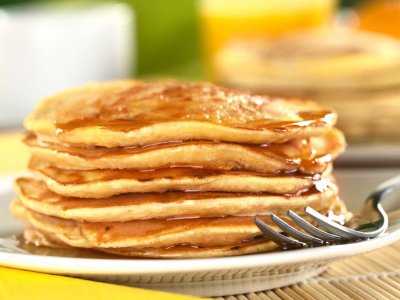 A pancake is a flat cake, often thin, and round, prepared from a starch-based batter and cooked on a hot surface such as a griddle or frying pan. In Britain, pancakes are often unleavened, and resemble a crêpe. In North America, a raising agent is used (typicallybaking powder). The North American pancake is similar to a Scotch pancake or drop scone.
They may be served at any time with a variety of toppings or fillings including jam, fruit, syrup, chocolate chips, or meat. In America, they are typically considered to be a breakfast food. In Britain they are associated with Shrove Tuesday, commonly known as Pancake Day, when perishable ingredients had to be used up before the fasting period of Lent began.
Our prehistoric ancestors just may have eaten pancakes.
Analyses of starch grains on 30,000-year-old grinding tools suggest that Stone Age cooks were making flour out of cattails and ferns—which, researchers guess, was likely mixed with water and baked on a hot, possibly greased, rock. The result may have been something at least along the same lines as a pancake.
Pancake Day - Shrove Tuesday
By the time Otzi the Iceman set off on his final hike 5,300 years ago, pancakes—or at least something pancake-like—seem to have been a common item of diet. Otzi, whose remains were discovered in a rocky gully in the Italian Alps in 1991, provided us with a wealth of information about what a dinner in the Neolithic ate. His last meals—along with red deer and ibex—featured ground einkorn wheat. The bits of charcoal he consumed along with it suggest that it was in the form of a pancake, cooked over an open fire.
Whatever the age of the primal pancake, it’s clearly an ancient form of food, as evidenced by its ubiquity in cultural traditions across the globe. The ancient Greeks and Romans ate pancakes, sweetened with honey; the Elizabethans ate them flavoured with spices, rosewater, sherry, and apples. They were traditionally eaten in quantity on Shrove Tuesday or Pancake Day, a day of feasting and partying before the beginning of Lent.
More Articles...
Subcategories
Login
Translate
